About the project
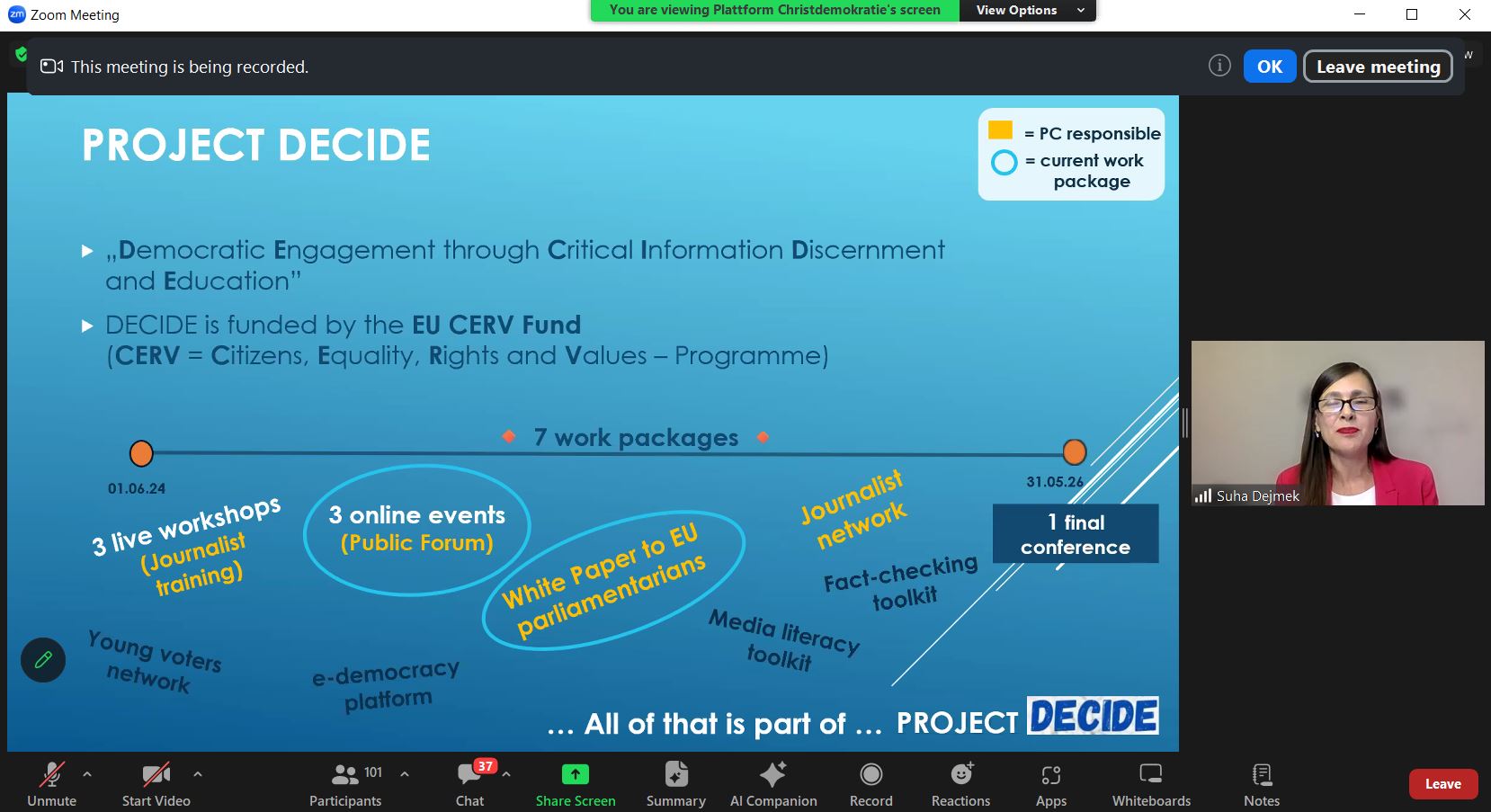
The project “DECIDE – Democratic Engagement through Critical Information Discernment and Education” (Project: 101147391 – CERV-2023-CITIZENS-CIV) was implemented from June 2024 to May 2026. It engaged several hundred participants—European citizens—through webinars, workshops, and a live conference. The project provided an opportunity for European citizens to exchange experiences and perspectives on the future of Europe, participation in European democratic processes, the importance of developing critical thinking, media literacy, and fact-checking skills in the post-truth era, as well as the tools and methodologies that support these competencies.
This achievement was made possible through the dedicated work and close cooperation of all stakeholders involved, including partner organizations from Croatia, Austria, and Lithuania.
Consortium
U ime obitelji, Croatia, the coordinator
Svjetski savez mladih Jugoistočna Europa, Croatia
Ateitininku Federacija, Lithuania
Plattform Christdemokratie, Austria
Project objectives
- Encourage civic dialogue
- Actively support citizens’ democratic and civic participation in the EU
- Increase awareness of the specific challenges involved in distinguishing factual information from disinformation in the post-truth era
- Identify key challenges following the 2024 European Parliament elections and increase European citizens’ engagement in debates on EU policy priorities
- Strengthen citizens’ resilience to disinformation by equipping them with the necessary knowledge and tools
- Strengthen media literacy among citizens, including by promoting appropriate education from an early age
- Restore public trust in institutions, which has been eroded by disinformation
- Promote the active involvement of young people in democratic processes and raise awareness of their important role in democracy
Key activities/events
Through its online events/webinars and live events, the project explored the challenges of navigating the post-truth era, debunking misinformation, and strengthening media literacy. It also equipped young voters with the skills needed to participate critically in elections and policymaking while stimulating public discourse on EU values.
Over the course of 24 months, the project implemented seven interconnected work packages and delivered a diverse range of activities, including webinars, workshops, hackathon, online public forum, training programs, a three-day international conference at the European Parliament in Brussels and awareness-raising campaign. Activities were organized in Croatia, Austria, and Lithuania, while online events enabled broader participation from across Europe. The project was developed in response to challenges identified by the partner organizations through consultations, brainstorming sessions, and surveys.
- Event 1 (in person) – Young Voters Initiative: Empowering the Next Generation to Engage in EU Policymaking Processes
Location/dates: Zagreb, Croatia, 20–22 September 2024
Short description: Svjetski savez mladih Jugoistočna Europa organized a three-day in-person training for 27 young participants including 22 from Croatia, 3 from Austria, and 2 from Lithuania through the”Young Voters Initiative: Empowering the Next Generation to Engage in EU Policymaking Processes.” The workshop was divided into two thematic sections, covering EU institutions, the adoption of EU legislation, the importance of elections, and the role of the media in shaping public discourse. The combination of expert speakers, motivated young participants, skilled interpreters, and technical support ensured a high-quality and engaging learning experience. As a result, participants left better informed and more empowered to engage in EU democratic processes.
During this activity, the Young Voters Network was established, and a PDF document outlining the Network’s mission, vision, objectives, and activities was produced.
- Event 2 (online) – Public forum: Priorities for EU policies after 2024 EP elections
Location/date: Vienna, Austria, 27 November 2024
Short description: Plattform Christdemokratie organized the online public forum “Priorities for EU Policies after 2024 European Parliament Elections.”The event engaged 133 participants including 64 from Austria, 27 from Croatia, 22 rom Slovenia, and 20 from Lithuania. As preparation for the event, a Pre-Event Online Survey was sent out in October 2024 that was open to be filled out for 11 days. Feedback was received from 287 participants. The Survey was based on the “Strategic Agenda 2024 – 2029”, which had been adopted by the EC in June 2024. Some of the topics that emerged as particularly important and relevant to the survey participants were the need for the EU to strengthen values such as respect for human dignity and standing up for democracy and freedom of expression. Furthermore, respondents considered comprehensive cooperation on migration and border management at the EU level to be of great importance. They also emphasized that promoting an innovation- and business-friendly environment is essential to ensuring a prosperous and competitive Europe.
As part of this activity, the White Paper “Citizens’ Proposals for EU Policies after the 2024 European Parliament Elections” was published.
- Event 3 (online) – Online webinar with experts: Truth in Post-truth society
Location/date: Zagreb, Croatia, 18 December 2024
Short description: U ime obitelji delivered the webinar with the experts “Truth in a Post-Truth Society,” attended by 136 participants including 18 from Austria, 97 from Croatia, and 21 from Lithuania. The webinar dived into the challenges of navigating truth in an era were emotions and personal beliefs often overshadow facts. The webinar focused on the challenges of discerning factual information in the post-truth era, which is characterized by the widespread presence of disinformation, in the context of contributing to the fight against disinformation—one of the European Union’s key priorities. The post-truth era refers to a context in which public opinion, driven by emotions, has a greater influence on public life, decision-making, and policymaking than objective facts. Raising awareness of this phenomenon among citizens is essential for strengthening their media literacy and critical thinking skills. This “post-truth” landscape influences how we form opinions, make decisions, and shape policies. It’s an issue the EU is actively addressing in its fight against disinformation, and the webinar highlighted the importance of developing media literacy and critical thinking as tools to combat it.
As part of this activity, the DECIDE Platform—an interactive, English-language online space that enables citizens across the European Union to engage in structured debates and discussions on key policy issues—was developed and launched.
- Event 4 (online) – Media Literacy Hackathon
Location/dates: Zagreb, Croatia, 11–12 June 2025
Short description: U ime obitelji organized a two-day online “Media Literacy Hackathon,” involving 136 participants including 106 from Croatia, 14 from Austria, and 16 from Lithuania. Building on previously organized events, this two-day brought together participants of different ages and professions, interested in expanding their knowledge about media literacy and the challenges posed by the availability of numerous information in the context of the presence of new platforms, media, AI in an era of widespread misinformation and disinformation. During the interactive sessions with participants, the most effective methods and available digital tools were discussed, along with their limitations and potential areas for further development. The discussions also highlighted the importance of educating and empowering individuals in media literacy, while emphasizing the complementary role of other stakeholders. Particular attention was given to the active role that citizens can play in using available tools to identify and prevent the spread of misinformation and disinformation. Participants emphasized the importance of verifying original sources and tracing information back to its primary source. Rather than drawing conclusions prematurely, participants stressed the importance of a thorough, evidence-based approach. The hackathon culminated in a series of team presentations showcasing prototype ideas and concepts, expert feedback from mentors and judges—including representatives of NGOs, technology experts, and EU policymakers—and the selection of the 15 most promising ideas.
The hackathon resulted in the Media Literacy Toolkit, containing the best tools and methodologies developed during the event.
- Event 5 (in-person) – Digital Journalist Workshop
Location/dates: Vienna, Austria, 16–17 June 2025
Short description: Plattform Christdemokratie organized the “Digital Journalist Workshop,” a training program attended by 37 participants including from 5 from Croatia, 28 from Austria, 2 from Lithuania, 1 from Slovenia and 1 from Germany. This event was designed to strengthen journalistic integrity and resilience in the face of growing digital challenges. Its primary aim was to equip journalists and media professionals with practical knowledge, concrete tools, and critical thinking strategies to help them uphold the principles of transparency, accuracy, and ethical reporting. In a digital age in which misleading content spreads faster than ever before, the event served as a platform for both reflection and action, encouraging journalists to adapt responsibly to emerging challenges and collaborate across sectors.
As part of this activity, the Digital Journalist Network was established, and a network document outlining its mission, vision, objectives, and activities was developed.
- Event 6 (in-person) – Fact-Checking Ambassadors Program
Location/dates: Vilnius, Lithuania, 10–12 October 2025
Short description: Ateitininkų Federacija organized a three-day, in-person “Fact-Checking Ambassadors Program,” involving 25 participants including 4 from Croatia, 2 from Austria, and 19 from Lithuania. An expert lecture introduced attendees to the nature of misinformation and disinformation, explaining how they spread, their societal impacts, and why fact-checking plays a critical role in strengthening democratic resilience. Building on this foundation, participants worked in groups to analyze real examples of disinformation, classify different types of misleading content, and reflect on how narratives shape public opinion. Special attention was given to emerging technologies, with sessions exploring the role of AI in both spreading and combating disinformation. Participants then engaged in hands-on activities, learning to use a range of digital fact-checking tools and platforms and applying these skills through practical exercises. The program also emphasized the role of a Fact-Checking Ambassador. Through facilitated discussions, participants reflected on the responsibilities associated with promoting accurate information in the public sphere, the importance of countering misinformation through constructive dialogue, and effective communication strategies for engaging wider audiences. The event equipped participants with practical skills, new strategies, and a strong network of peers committed to advancing media literacy and safeguarding democratic processes across Europe.
The program resulted in the development of the Fact-Checking Toolkit, encompassing methodologies and tools for effective fact-checking, as well as the Fact-Checking Ambassadors Program Methodology, which outlines the approach for implementing the program in the future.
- Event 7 (in-person) – Conference in the European Parliament: How to DECIDE on future policies?
Location/dates: Brussels, Belgium, 19–21 November 2025
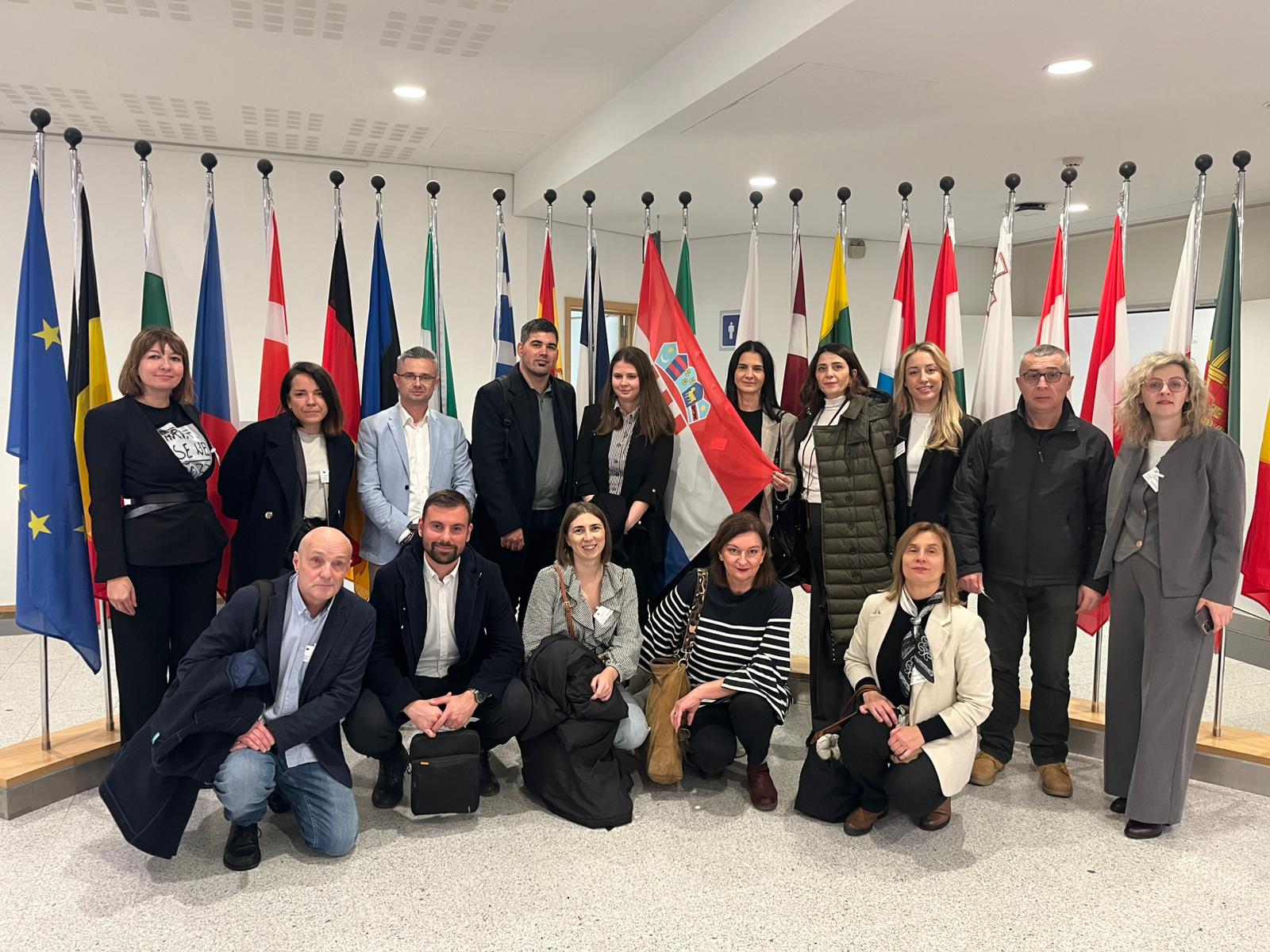
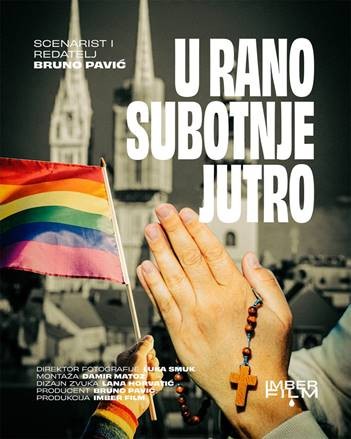
Short description: Svjetski savez mladih Jugoistočna Europa organized a three-day international conference at the European Parliament in Brussels titled “How to DECIDE on Future Policies?”, attended by 31 participants from six EU countries: from Croatia 20, from Austria 2, from Lithuania 2, from Belgium 5, from Slovenia 1 and from Ireland 1. The conference brought together participants who actively engaged in panel discussions, lectures, workshops, and a round table, alongside Members of the European Parliament, experts in digital media, media literacy and disinformation, representatives of civil society organizations, and project partners. Over the course of the three-day conference, presentations, proposals, and strategies were delivered by Members of the European Parliament, university professors, journalists and editors, a film director and screenwriter, and representatives of civil society and legal advocacy organizations. The conference explored topics related to shaping European policies in the post-truth era, including disinformation as a threat to democratic processes in the European Union, the Digital Services Act (DSA), the importance of recognizing disinformation and strengthening media literacy, censorship and freedom of expression, the relationship between media discourse and civil society, the protection of human rights and fundamental freedoms, and the importance of media education for citizens. Participants also presented concrete examples from the fields of art, culture, and journalism. Speakers emphasized that mainstream media play a significant role in shaping public perceptions of current events and influencing what is accepted as true. They noted that misleading or incomplete information can contribute to a distorted understanding of reality.
As part of this activity, a Policy Recommendations Document was developed – recommendations which represent the voice of the conference participants and of the citizens involved in the DECIDE project.
The activity also included the production and dissemination of awareness-raising materials, including press releases, newsletters, videos, articles, and social media content.
All project materials and publications are available in Croatian, English, German, and Lithuanian at the DECIDE project website.
Thanks to the expertise and commitment of all stakeholders, the project’s results and outputs will have a lasting positive impact by strengthening citizens’ engagement across the European Union and encouraging participation in democratic and electoral processes. The successful completion of the project opens the door to new opportunities for future initiatives, cooperation and further development of ideas that contribute to the partners’ common goal – strengthening democratic participation among European citizens.
Funded by the European Union. Views and opinions expressed, however, are those of the author(s) only and do not necessarily reflect those of the European Union or European Education and Culture Executive Agency (EACEA). Neither the European Union nor the granting authority can be held responsible for them.