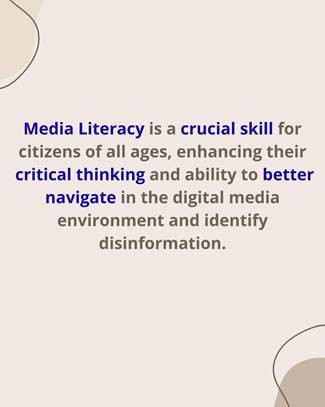

Fact-checking, as a key part of media literacy, is the process of verifying whether a claim, image, statistic, or story is accurate. It involves tracing information back to credible primary sources, checking context, and clearly labeling what is true, false, misleading, or unproven. In the digital age, where content is widely available and spreads rapidly, it is important to approach each source of information critically. Fact-checking reduces the risk of fake news and manipulation spreading. Without fact-checking, a person can easily fall victim to propaganda or incorrect claims.
Fact-checking includes mastering essential media literacy skills, such as developing critical thinking and an analytical approach to information, using credible sources such as scientific papers, verifying the credibility of the author and the media or other source, checking the date and context, and using platforms dedicated to exposing fake news. By developing this habit, individuals contribute to more responsible information practices in society.
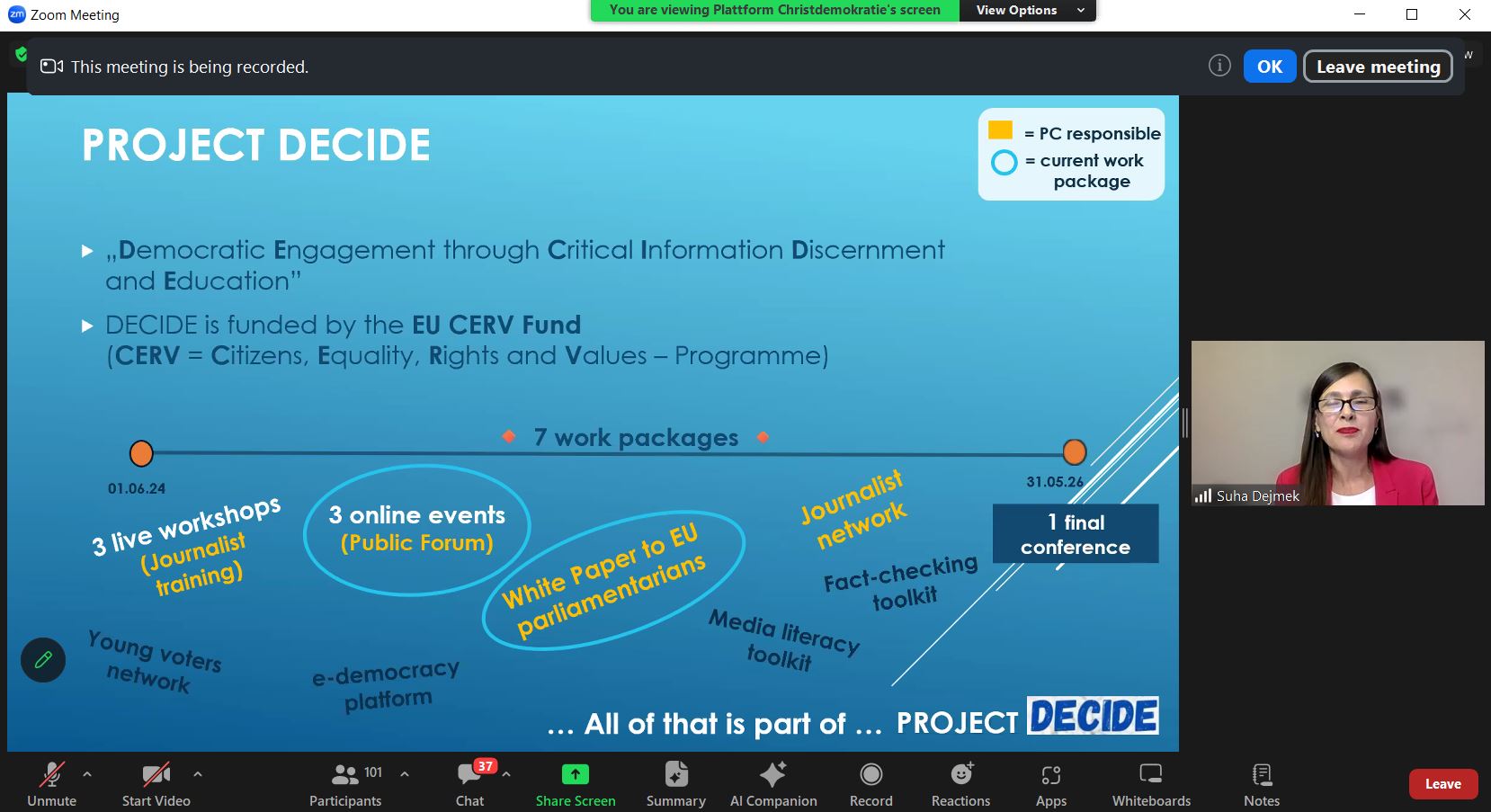
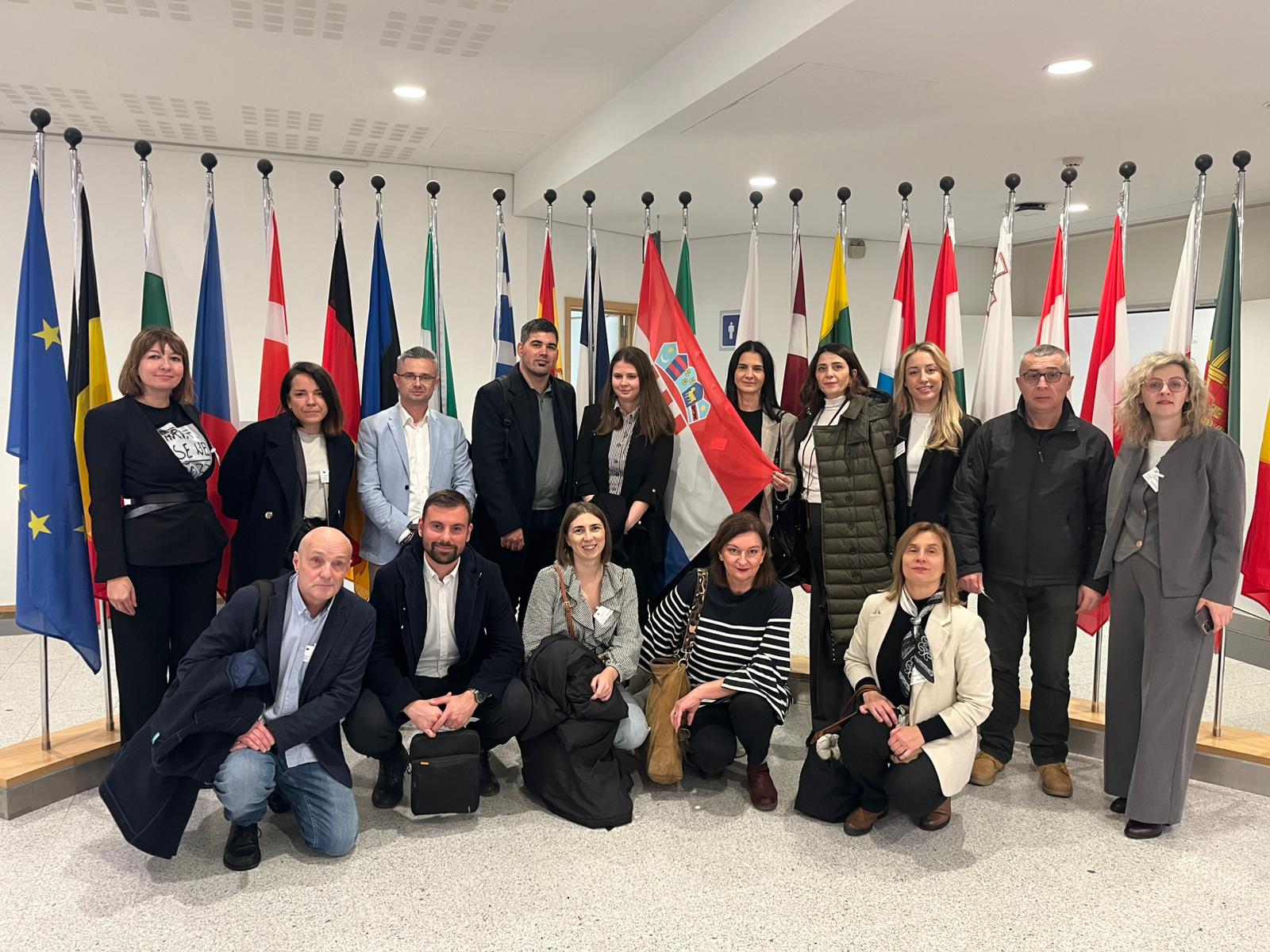
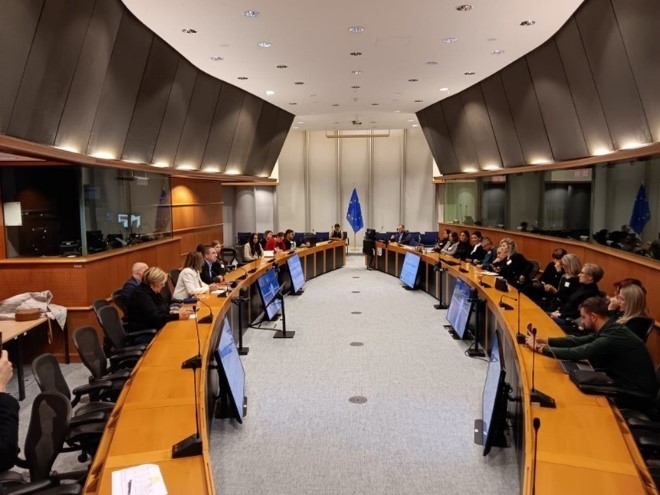
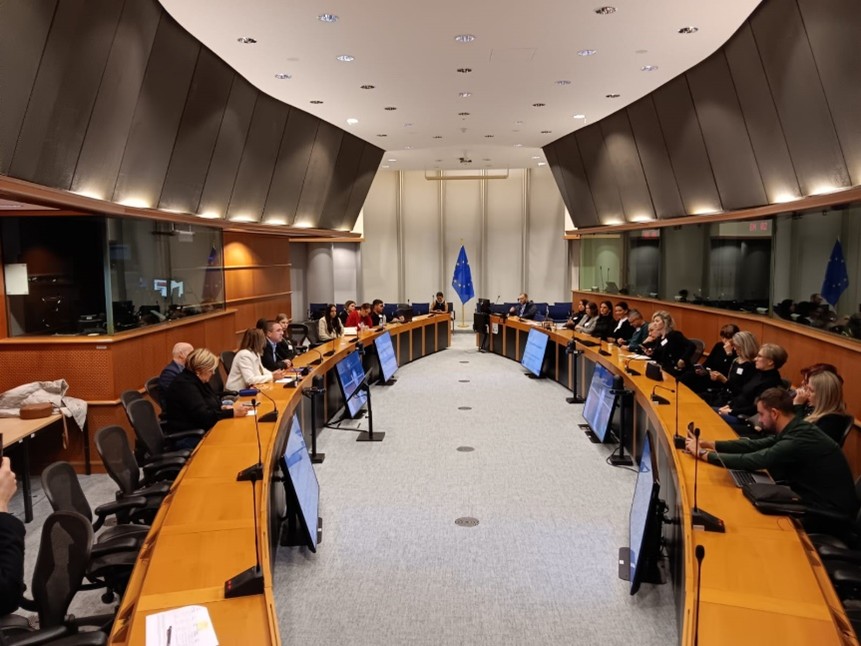
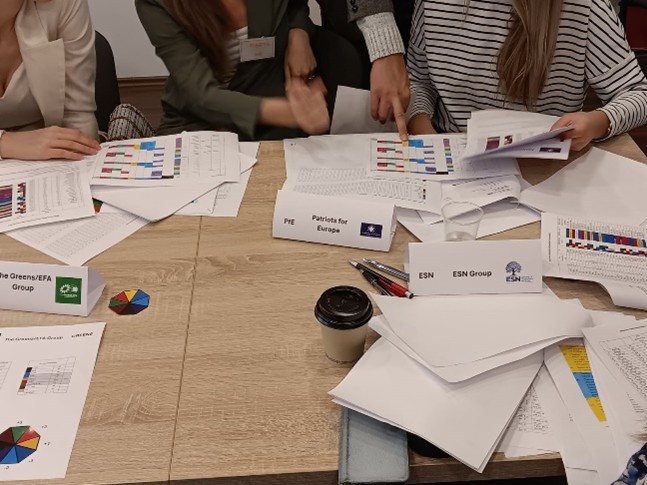
The Fact-Checking Ambassadors Program, under DECIDE project, took place on October 10–12, 2025 in Vilnius, Lithuania, gathering 25 representatives from Croatia, Austria, and Lithuania. Over three days, participants from partner organizations and European NGOs with expertise in media literacy and fact-checking engaged in an intensive program that combined lectures, group activities, and practical workshops.
Special attention was given to emerging technologies, with sessions exploring the influence of AI in both spreading and combating disinformation. The program also emphasized the role of a Fact-Checking Ambassador. In facilitated discussions, participants reflected on the responsibilities of promoting truth in the public sphere, the importance of countering misinformation without confrontation, and strategies for effective communication with wider audiences. Finally, they developed ideas on how to bring these insights back to their own NGOs, designing approaches to raise awareness, engage communities, and strengthen fact-checking efforts at local and European levels.
As a result of the Fact-Checking Ambassadors Program, two documents were issued:
Fact-Checking-Ambassadors-Methodology
The Fact-Checking Ambassadors Programme, including the available Methodology and Toolkit documents, strengthen media literacy, critical thinking, and civic resilience across Europe. It offers a structured yet adaptable framework to help citizens to recognize, verify, and responsibly communicate accurate information, enabling communities to become more resilient to mis/disinformation and to make better decisions.
Funded by the European Union. Views and opinions expressed, however, are those of the author(s) only and do not necessarily reflect those of the European Union or European Education and Culture Executive Agency (EACEA). Neither the European Union nor the granting authority can be held responsible for them.
Izvor: Narod.hr